
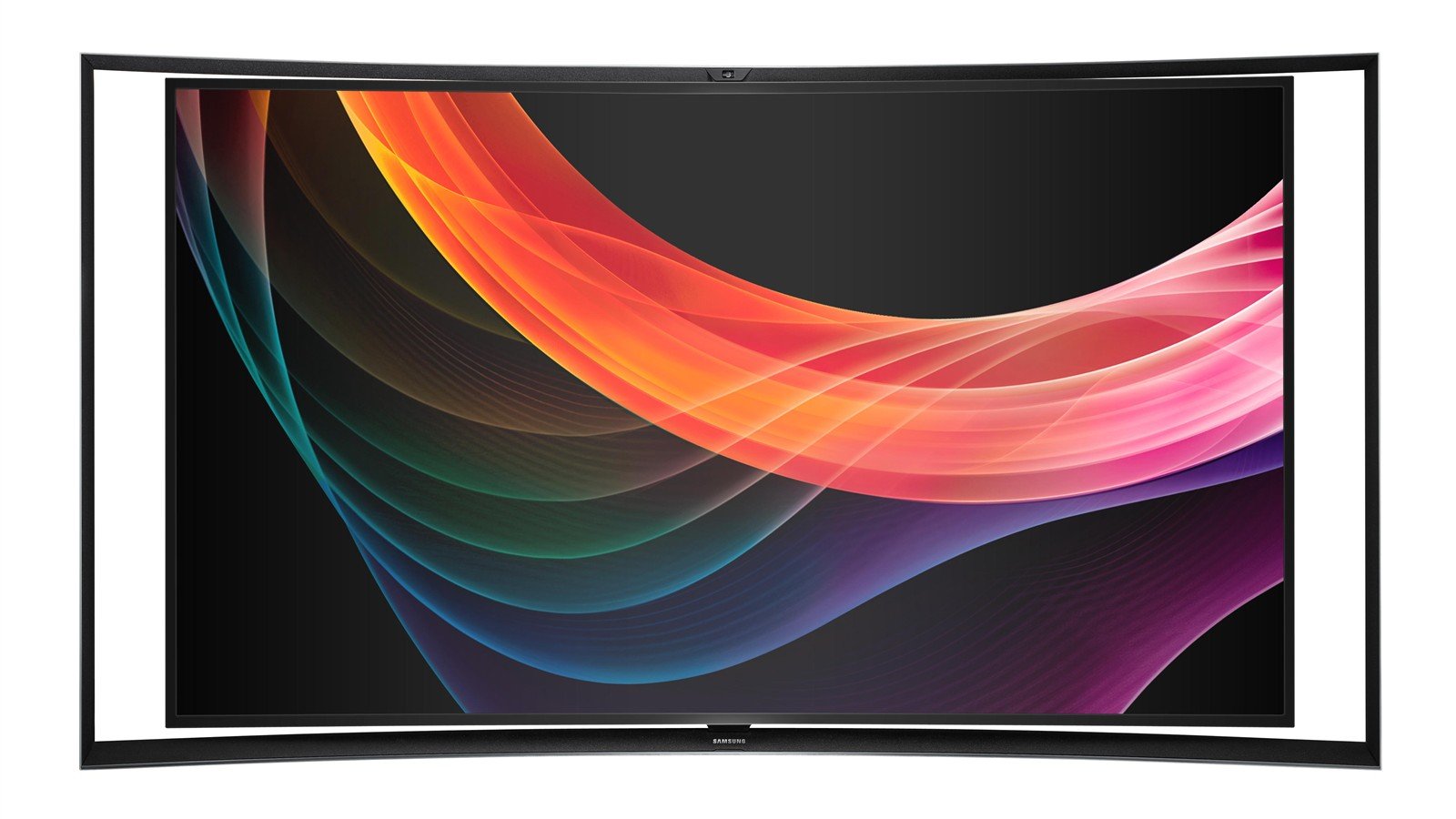
Making the decision to upgrade your home entertainment system is no small feat, and the Samsung OLED 4K S90F smart tv sits right at the center of the conversation for anyone demanding top-tier visual performance. The landscape of home cinema and gaming displays has shifted dramatically over the past few years, with OLED technology becoming the undisputed king of contrast and pixel response times. Yet, not all OLEDs are created equal. As we navigate through the 2026 television lineup, Samsung has positioned this specific model as the premium sweet spot offering flagship-level performance without the absolute highest-tier price tag of their ultra-premium, glare-free sibling, the S95F.
Understanding what it is like to live with this television requires looking past the spec sheet and examining how it integrates into daily life. From the initial anxiety of unboxing an impossibly thin piece of glass to the awe-inspiring moments of firing up a visually demanding movie or game, having this screen in your home alters the way you consume media. This review will explore every facet of the experience, breaking down the extraordinary highs, the minor annoyances, and everything in between to give you a complete picture of what it means to own this display.
This post contains affiliate links. If you click on a link and make a purchase, I may earn a small commission at no extra cost to you. This helps support the blog and allows me to continue providing content. Thank you for your support.
The Evolution of Display Technology
To truly appreciate this television, one must understand where it sits in the broader technological landscape. Traditional OLED (Organic Light Emitting Diode) technology relies on white subpixels combined with color filters to produce an image. While this achieves perfect black levels because each pixel can turn off independently, it historically struggled with peak brightness and color volume in the brightest scenes.
Enter QD-OLED (Quantum Dot OLED), the foundation of this panel. By utilizing a blue OLED emitter to excite a layer of quantum dots, the display bypasses the need for white subpixels entirely. The result is an image that maintains the infinite contrast ratio of a traditional OLED while producing significantly purer, more vibrant colors at much higher brightness levels. This panel represents the maturation of that technology. It is no longer an experimental first-generation product; it is a refined, highly calibrated piece of engineering designed to maximize both color accuracy and luminance.
Unboxing and Setup: The Initial Experience
The reality of bringing a modern OLED into your home begins with the unboxing process, which is an experience that demands care and preferably an extra set of hands. The packaging is eco-friendly and cleverly designed, but the sheer thinness of the panel induces a distinct sense of fragility. When sliding the display out of the box, you quickly realize that the top half of the screen is little more than a sheet of glass, measuring just millimeters thick. Handling it requires gripping the thicker, bottom housing where the processor and inputs live.
Setting up the display is remarkably straightforward. The Space Titan “Simple Plus Blade” stand is a triumph of engineering. Unlike older models that required laying the screen flat and driving in multiple screws, this stand features a screw-free design that snaps securely into the back of the chassis. This makes the assembly process fast and significantly reduces the risk of damaging the screen.
For those opting to wall-mount, the VESA compatibility ensures it works with standard brackets. Because the inputs are clustered on the side rather than facing straight back, routing cables is relatively painless even when the television is mounted flush against the wall. Cable management channels are built into the rear texture, allowing you to route HDMI and power cables neatly down the stand or along the wall, maintaining the clean aesthetic that a display of this caliber deserves.
Design and Aesthetics: The Living Room Centerpiece
Aesthetically, the television is a minimalist masterpiece. Samsung refers to this as their “LaserSlim” design, and the moniker is well-earned. The bezel is virtually non-existent, creating a “floating” effect where the image seems to hover in the air, unconfined by plastic or metal borders. The front color is a sleek Graphite Black, which absorbs ambient light and allows the hardware to disappear entirely when the lights go down.
The physical footprint of the television is an important consideration. For those living in a more compact space, maximizing floor space without sacrificing premium home cinema quality is a constant battle. The availability of a 48-inch size option for this model is a massive advantage in this regard, meaning you can get reference-quality visuals without a massive screen overwhelming a smaller room. The central pedestal stand also helps here; because the stand is centered rather than featuring wide-set feet at the corners, the display can be placed on smaller media consoles or narrow shelves with ease.
Living with the television day-to-day, its physical presence elevates the room. It looks expensive, sophisticated, and distinctly modern. When turned off, it doesn’t look like a bulky plastic appliance; it looks like a premium sheet of dark glass that adds to the room’s decor.

Picture Quality: The Magic of QD-OLED
The core reason anyone invests in this class of television is the picture quality, and it is here that the display truly astounds. Powered by the NQ4 AI Gen3 Processor, the screen does an incredible amount of computational work in the background to ensure every frame looks flawless.
Contrast and Absolute Blacks
Because it is an OLED, every single one of its 8.3 million pixels generates its own light and can turn off completely. This results in infinite contrast. When a scene calls for pitch black, the screen emits zero light in that area. When evaluating absolute black levels and shadow detail, modern sci-fi provides the ultimate stress test. Watching a moody film with complex lighting sequences is a revelation. The self-illuminating pixels ensure that the letterbox bars remain pitch black, while the neon highlights and bright highlights pierce through the darkness with blinding intensity. There is absolutely no light bleed, no blooming, and no “halo” effect around bright objects, a common flaw in even the best Mini-LED displays.
Brightness and Color Volume
Where this display separates itself from older OLEDs is its sheer brightness. Equipped with OLED HDR+, the screen pushes peak luminance to levels that make HDR (High Dynamic Range) content truly pop. Sunsets look blindingly realistic, and explosions carry a visceral visual weight. The colors are Pantone Validated, meaning the television has been certified to accurately reproduce the full spectrum of Pantone colors and skin tones. The Color Booster Pro algorithm works in tandem with the quantum dots to ensure that even at peak brightness, colors do not wash out. Reds remain deep and saturated, greens are lush, and blues are piercing.
Viewing Angles and Anti-Reflection
The viewing angles are practically flawless. You can sit at extreme off-center angles, and the image retains its full color saturation and contrast without any noticeable shift or fading. This makes it a fantastic television for hosting watch parties or for living rooms with wide seating arrangements. It features a standard anti-reflection coating that does an excellent job of diffusing overhead lights and ambient room brightness. While it does not feature the specialized “Glare Free” matte coating found on the step-up S95F model, the brightness of the S90F easily punches through standard daytime viewing conditions.
Upscaling and Motion Handling
Not everything you watch will be pristine 4K HDR. A true test of a premium television is how it handles less-than-ideal sources. The 4K AI Upscaling Pro feature utilizes neural networks to analyze 1080p and 720p content, intelligently filling in missing data to bring it closer to native 4K resolution.
When watching cable broadcasts, older television shows, or standard-definition streaming videos, the processor cleans up compression artifacts, reduces digital noise, and sharpens edges without making the image look artificial or over-processed. Faces look natural, and background details are brought into focus.
Motion handling is exceptionally smooth. The native 120Hz panel ensures that 24fps movies display correctly without the dreaded “judder” (the stuttering effect that occurs when a TV tries to force 24 frames into a 60Hz refresh rate). For sports fans, tracking a fast-moving football or watching panning shots across a racetrack is a joy. The Auto Motion Plus settings allow for fine-tuning; you can completely disable motion interpolation for a pure cinematic experience or add a touch of de-blur to keep fast-paced sports incredibly sharp.

Gaming Capabilities: A Next-Generation Playground
If you are a gamer, living with this television feels like possessing an unfair advantage. Samsung has heavily invested in making this one of the premier gaming displays on the market, and the spec sheet translates into flawless real-world performance.
The television is equipped with four full-bandwidth HDMI 2.1 ports. This is a crucial detail. Many competitors only offer two HDMI 2.1 ports (one of which is usually taken by the eARC soundbar), forcing gamers to swap cables if they own multiple next-gen consoles or a gaming PC. Having four ports means an Xbox, a PlayStation, a gaming PC, and a soundbar can all be plugged in simultaneously, running at maximum capacity.
Gaming is where the panel truly flexes its muscles. Action and horror titles require precise motion handling and deep contrast to maintain immersion. Chaotic, physics-heavy, explosion-filled missions render with absolute fluidity and zero screen tearing, maintaining sharpness even during rapid camera pans. Conversely, when navigating atmospheric, terrifying environments in survival horror games, the deep shadows and sudden bright highlights heighten the tension perfectly. You can actually see into the dark corners without the image washing out into a murky gray.
For PC gamers, the Motion Xcelerator 144Hz pushes the refresh rate beyond the standard 120Hz found on consoles, providing an ultra-fluid experience for fast-twitch shooters. The inclusion of VRR (Variable Refresh Rate), FreeSync Premium Pro, and Auto Game Mode (ALLM) means the TV automatically optimizes itself the second you turn on a console.
The Game Bar is a phenomenal overlay that allows you to check your frame rate, HDR status, and input lag in real-time. Features like Mini Map Zoom (which enlarges the mini-map of your game and places it elsewhere on the screen) and Super Ultra Wide Game View (which forces a 21:9 or 32:9 aspect ratio for PC games) are incredibly useful tools that elevate the gaming experience from great to exceptional.
Audio Performance: Immersion and Utility
Televisions this thin inevitably struggle with internal audio simply because there is no physical space to move air for deep bass. The built-in audio system is a 40W 2.1-channel setup featuring Object Tracking Sound Lite (OTS Lite).
The daily experience of using the built-in speakers is surprisingly adequate for casual viewing. The OTS Lite technology attempts to tie the sound to the action on the screen, meaning if a car drives from left to right, the audio subtly shifts across the panel. It supports Dolby Atmos decoding, which creates a modest sense of verticality and spaciousness. The Active Voice Amplifier Pro is genuinely brilliant; if a vacuum cleaner turns on or loud background noise occurs outside, the TV uses its built-in microphones to detect the ambient noise and automatically boosts the dialogue frequencies so you don’t miss a word.
However, the lack of low-end punch is undeniable. Explosions lack visceral impact, and musical scores can sound a bit thin. This is a display that begs to be paired with a dedicated sound system. If you pair it with a compatible Samsung soundbar, you unlock Q-Symphony Pro. This feature synchronizes the soundbar with the TV’s internal speakers, utilizing all available drivers simultaneously to create a massive, immersive wall of sound.
Tizen OS and Smart Features
The 2026 iteration of the Tizen Smart TV operating system acts as the brain of the display. Navigating the menus feels snappy and responsive, a noticeable improvement over previous generations where the UI could occasionally lag.
The home screen is a centralized hub that aggregates content from various streaming platforms, such as Netflix, Prime Video, Disney+, Apple TV+, and Max are all heavily integrated. The Universal Guide learns your viewing habits and suggests shows across different apps, saving you the hassle of jumping in and out of individual applications to find something to watch.
The integration into the smart home ecosystem is robust. The TV doubles as a SmartThings hub and supports the Matter protocol, meaning you can control your smart lights, view your security cameras, or start your robot vacuum directly from the TV screen. It features built-in voice control, allowing for hands-free adjustments. You can simply ask the TV to switch inputs, change the volume, or search for a specific actor, and the far-field microphones pick up the command effortlessly.
Features like Multi-View allow you to split the screen, perhaps watching a live sports broadcast on one side while mirroring your smartphone to monitor social media or a video call on the other. Samsung Health offers guided workouts, and the Daily+ hub provides tools for productivity, integrating seamlessly with cloud office suites and screen-mirroring from PCs and Apple devices via AirPlay.
The SolarCell Remote Control
One of the most universally praised aspects of living with this television is the remote control. Samsung has largely abandoned disposable batteries in favor of the SolarCell remote. This sleek, minimalist wand features a solar panel on the back that charges via ambient room lighting or sunlight. It even harvests radio frequencies from your Wi-Fi router to maintain its charge. In the rare event that it completely dies, a quick charge via the USB-C port at the bottom will bring it back to life in minutes.
The remote is intentionally stripped down. It lacks a traditional number pad, opting instead for a minimalist layout featuring a directional pad, volume/channel rockers, and dedicated quick-launch buttons for major streaming services. It takes a day or two to adjust to the lack of numbers, but the simplicity quickly becomes second nature, and the remote feels premium and perfectly weighted in the hand.
The Drawbacks
No piece of technology is perfect, and a thorough review requires highlighting the flaws. The most glaring omission on this television and a persistent sticking point for Samsung displays, is the absolute refusal to support Dolby Vision. Dolby Vision is the industry standard for dynamic HDR metadata, utilized heavily by major streaming networks and 4K Blu-rays. Instead, Samsung champions its own open-source alternative, HDR10+. While the TV still plays Dolby Vision content by falling back on standard HDR10, the lack of native support is frustrating for home theater purists who want to extract the maximum possible fidelity from their media.
Secondly, the Tizen operating system, while fast, can feel incredibly cluttered. The home screen is heavily populated with sponsored content, aggressive recommendations, and free TV channels that you may have no interest in watching. Finding specific settings deep within the menus requires too many clicks. While the quick-settings menu is helpful, dialing in advanced picture settings requires navigating through a labyrinth of sub-menus that can overwhelm average users.
Additionally, as with any OLED panel, the risk of permanent burn-in exists. While the technology has advanced significantly with features like pixel shifting, logo dimming, and automatic panel refresh cycles running when the TV is turned off leaving static elements (like a news ticker or a game HUD) on the screen for hundreds of hours continuously could theoretically degrade the pixels. It is not something the average user needs to stress over, but it is a fundamental reality of the technology.
Lastly, the standard anti-reflection coating is excellent, but if you have a room completely bathed in direct, harsh sunlight beaming straight onto the screen, you will still see reflections. If your living room features wall-to-wall windows with no blinds, you might find yourself wishing you had paid the premium for the S95F’s specialized glare-free matte screen or opted for an ultra-bright Mini-LED display instead.
Pricing, Sizing, and Value
The value proposition of this model is where it truly shines. Available in a wide array of sizes, 42″, 48″, 55″, 65″, 77″, and a massive 83″, there is an option to fit almost any room size or budget.
The smaller 42-inch and 48-inch variants are particularly compelling. They serve as phenomenal bedroom TVs or even oversized PC monitors for hardcore gaming setups. Often, smaller OLEDs are stripped of features to keep costs down, but Samsung has maintained the flagship processor, the 144Hz refresh rate, and the robust smart features across the sizing spectrum.
When analyzing the price-to-performance ratio, this display hits the perfect sweet spot. It significantly outperforms entry-level OLEDs and standard QLEDs in terms of contrast, color volume, and gaming features, yet it frequently becomes available on promotion, making it vastly more affordable than the absolute top-tier flagship models. If you combine promotional discounts or seasonal deals, the 55-inch and 65-inch models represent some of the best home cinema bargains available on the market.
Final Verdict
The Samsung OLED 4K S90F smart tv is a triumph of modern engineering and an absolute joy to have in your home. It delivers a masterclass in visual performance, taking the inherently perfect contrast of OLED and injecting it with the blistering brightness and color purity of Quantum Dots.
The cinematic experience it provides is reference-grade, making every movie night feel like a premium theater screening. For gamers, it offers an unparalleled suite of features, turning chaotic action games and atmospheric horror titles into incredibly smooth, deeply immersive experiences. While the omission of Dolby Vision remains an annoyance, and you will almost certainly want to budget for an external soundbar to match the audio quality to the spectacular visuals, these are minor grievances in the face of what the television achieves.
It bridges the gap between high-end performance and attainable pricing perfectly. If you are upgrading from an older LED or early-generation OLED, the leap in quality will be staggering. It doesn’t just play content; it elevates it, earning its place as one of the most compelling and highly recommended smart televisions of the year.
Buy on Amazon
Check the latest price, availability, and customer reviews directly on Amazon.
Shop Now on Amazon