
This post may contain affiliate links. If you buy something through one of these links, Tech Info Central may earn a small commission at no extra cost to you.
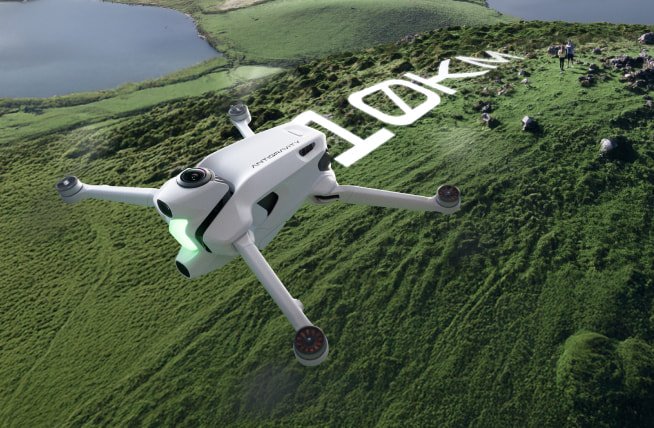
An Antigravity A1 review needs to explain why this drone feels different from the usual DJI-style flying camera. Its defining idea is simple: record the entire 360-degree scene, then decide where the camera should appear to point afterwards.
That turns aerial filming into a different creative process. Instead of perfectly aiming a gimbal during the flight, you can concentrate on the route and reframe the footage later.
What Is the Antigravity A1?
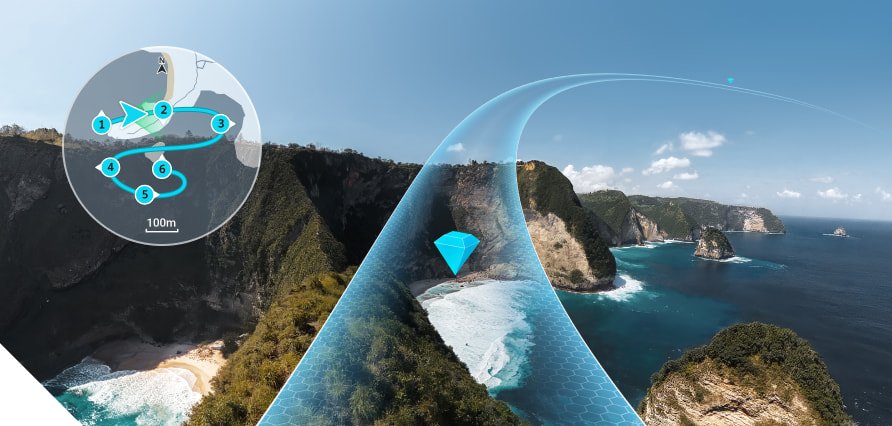
The A1 is a compact 360-degree camera drone built around dual lenses that capture the full sphere around the aircraft. Software can stitch those views together and remove the drone itself from the finished image.
The result resembles the “invisible selfie stick” effect made popular by 360 cameras, except the camera is flying.
Antigravity pairs the drone with Vision Goggles and a motion-style Grip controller, creating a flight experience designed around looking and pointing rather than operating a conventional pair of joysticks.
Weight and Portability
With its standard battery, Antigravity lists the A1 at 249g. That places it in an important weight class for many drone regulations.
A higher-capacity battery raises the weight to around 291g, so pilots should understand how their local rules change before choosing the longer-endurance option.
The lightweight folding design makes the A1 a realistic travel drone rather than a specialist aircraft that requires a dedicated case.
Flight Time
Antigravity rates the standard battery for up to 24 minutes under controlled conditions and the high-capacity battery for up to 39 minutes.
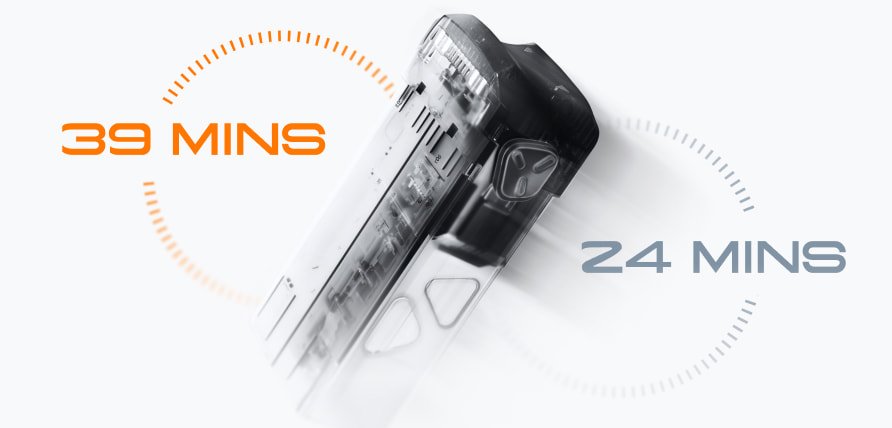
Those are maximum figures. Recording settings, wind, temperature, flight speed and the need to land with a sensible safety reserve all reduce usable time.
The standard battery’s endurance is shorter than many conventional camera drones, which is one of the trade-offs for keeping the aircraft inside the 249g class.
Why 360 Capture Changes Filming
Traditional drone footage depends heavily on pilot timing. If the camera points slightly too far left when the subject passes, the moment may be lost.
A 360 drone records every direction, giving the editor much more freedom later. One flight can potentially produce several different shots, including forward views, side views, overhead-style framing and vertical clips for social media.
That can be extremely useful for solo creators who have to manage both piloting and composition.
8K Does Not Mean Every Export Is 8K
The A1 records a large 360-degree image in 8K, but a reframed conventional shot uses only part of that sphere.
That means the final flat video will not contain the full detail of an 8K forward-facing camera. The high capture resolution is necessary because it gives the editor enough pixels to crop into different directions.
This distinction is important. The A1’s advantage is flexibility, not simply a bigger number on a specification sheet.
Goggles and Motion Control
The Vision Goggles and motion controller make the A1 feel closer to an immersive flying system than a traditional camera drone.
That can make flying intuitive for newcomers, but experienced pilots may need time to adapt. Motion controls also introduce a different kind of precision, so conventional stick flying may still feel more natural for highly controlled manoeuvres.
Who Is It For?
The A1 makes particular sense for:
- solo filmmakers
- travel creators
- social media creators who need several aspect ratios
- people already comfortable editing 360 footage
- pilots who enjoy immersive goggles-based flying
It makes less sense for somebody who wants the simplest possible workflow from flight to finished file.
Pros
- 360-degree capture allows reframing after flight
- Standard battery keeps the drone around 249g
- 8K spherical recording provides useful editing latitude
- Invisible-drone effect creates unusual shots
- Goggles and motion controller offer an immersive experience
Cons
- Standard-battery flight time is relatively modest
- 360 editing adds another step to the workflow
- Reframed footage does not retain the full 8K resolution
- High-capacity battery changes the aircraft’s weight category
Final Verdict
The Antigravity A1 is interesting because it changes the question from “Did I point the camera in the right direction?” to “Which direction do I want to use now?”
That freedom can be genuinely powerful for creators, particularly when a moment cannot easily be repeated.
It will not replace every conventional camera drone. A traditional gimbal camera remains simpler and can deliver higher effective resolution in one chosen direction. For people who value creative flexibility over the most straightforward workflow, the A1 offers something genuinely different.