
This post may contain affiliate links. If you buy something through one of these links, Tech Info Central may earn a small commission at no extra cost to you.
The Galaxy Z Fold7 sales record was one of the clearest signs in 2025 that foldable phones were moving beyond the early-adopter stage.
Samsung said the Fold7 achieved the highest US pre-orders of any Galaxy Z Fold at the time. Combined pre-orders for the Fold7 and Flip7 were more than 25 per cent higher than the previous generation, while carrier pre-orders for the two devices rose by nearly 60 per cent.
After general availability began, Samsung said Fold7 orders were running nearly 50 per cent ahead of the Fold6.
Those were company-reported figures rather than independent worldwide shipment data, but they still told an important story.
The Fold7 Fixed the Most Obvious Fold Problem
Earlier Galaxy Folds were powerful, but they also felt like folding technology first and ordinary phones second.
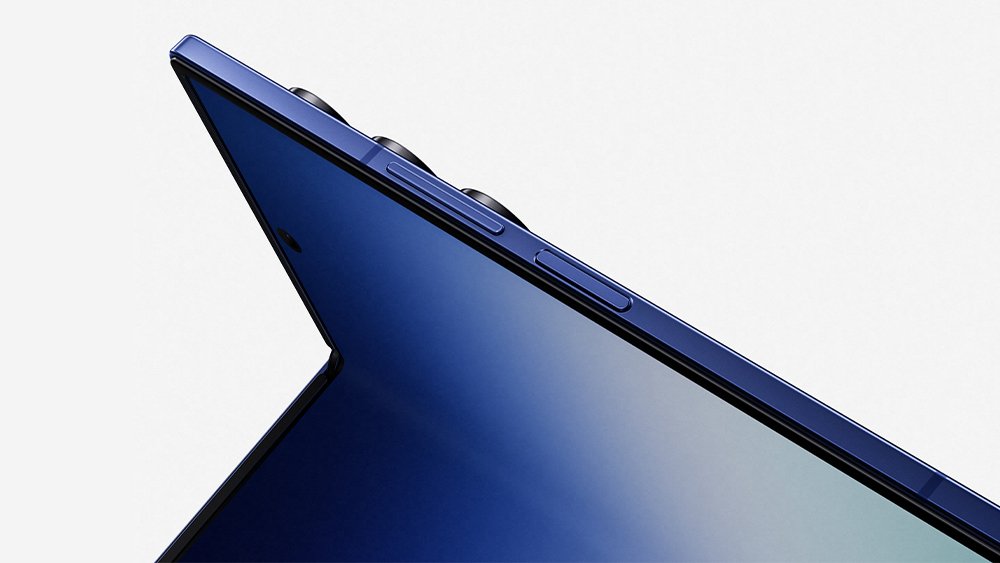
The Fold7 made a major change in physical design.
Samsung reduced the weight to 215g and the folded thickness to 8.9mm while increasing the cover display to 6.5 inches and the inner display to 8 inches.
That matters because people handle the outside of a foldable far more often than specifications suggest.
If the closed phone feels awkward every time you answer a message, the large inner screen has to compensate for that annoyance all day.
The Fold7 made the closed experience feel much closer to a conventional flagship.
A 200MP Camera Reduced Another Compromise
The Fold7 was also the first Galaxy Z Fold to use a 200MP main camera.
Fold buyers had previously paid flagship prices while sometimes accepting a camera system below Samsung’s best slab phones.
Closing that gap made the Fold easier to justify.
A foldable has a stronger argument when it adds a large screen without forcing buyers to surrender the camera quality they expect from an Ultra-class device.
The Numbers Were Strong by Fold Standards
Samsung’s July 2025 US figures showed:
- more than 25 per cent higher combined Fold7 and Flip7 pre-orders than the previous generation
- the highest US pre-orders for a Z Fold model at that time
- nearly 60 per cent higher combined carrier pre-orders
- Fold7 orders nearly 50 per cent ahead of the Fold6 after availability began
By September 2025, Samsung said Fold7 purchases were still exceeding the previous generation by around 50 per cent.
The company also reported that nearly 30 per cent of Fold7 buyers were moving from Galaxy S Ultra models.
That last figure was particularly interesting.
It suggested Samsung was convincing some of its most demanding conventional-phone customers to try a foldable.
This Did Not Mean Foldables Had Taken Over
Record growth can sound larger than it is.
Foldables still represented a smaller part of the smartphone market than conventional phones.
A 50 per cent increase from a smaller base is different from a 50 per cent increase in iPhone-scale volume.
Samsung’s numbers were also focused heavily on its own US sales performance.
The sensible conclusion was not that slab phones were finished.
It was that the Fold line had crossed an important internal threshold.
Design Mattered More Than AI Marketing
Samsung promoted Galaxy AI heavily around the Fold7.
AI features certainly helped the launch story, particularly on the large inner screen.
The more convincing reason for the sales improvement was physical.
The phone became thinner, lighter and easier to use while also gaining a more competitive camera.
Those improvements address objections people can feel immediately in a shop.
That is a powerful lesson for the foldable market.
Software can add value after purchase. Hardware design often decides whether somebody buys in the first place.
Price Was Still the Barrier
The Fold7 launched at roughly $1,999.99 in the US for the base model.
That kept it firmly in luxury-phone territory.
A device can have record sales within its product family while still remaining inaccessible to many buyers.
For foldables to become genuinely mainstream, manufacturers need to improve durability, reduce thickness and eventually bring prices closer to ordinary flagship phones.
Samsung made progress on the first two.
Price remained the hardest problem.
What the Fold7 Changed
The Fold7 proved that the market responded when foldables became easier to live with.
That sounds obvious, but it took several generations to get there.
Early foldables sold the spectacle of a screen that folded.
The Fold7 sold a more mature idea: a premium phone that happened to unfold into a small tablet.
That shift is more important than any one preorder record.
Final Verdict
The Galaxy Z Fold7 sales record mattered because it showed what happens when foldable design stops demanding so many compromises.
Samsung did not suddenly make foldables cheap.
It made the Fold7 thinner, lighter, more phone-like when closed and more competitive as a flagship camera device.
The strong 2025 US launch figures suggested buyers noticed.
Looking back from 2026, the Fold7’s real significance is not that it “won” the smartphone market.
It is that it helped prove the foldable category could grow when the hardware became easier to recommend to ordinary flagship buyers.