
This post may contain affiliate links. If you buy something through one of these links, Tech Info Central may earn a small commission at no extra cost to you.
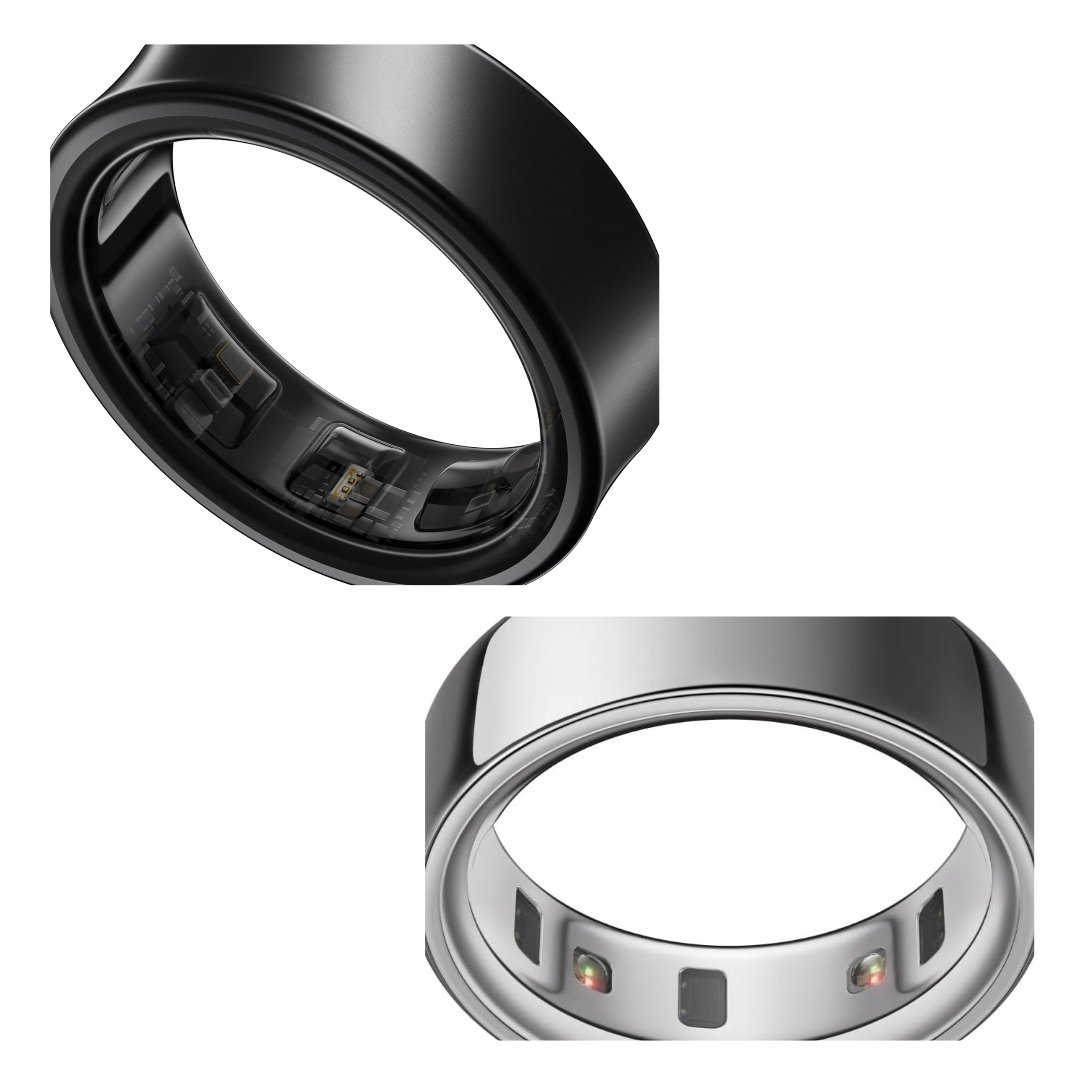
Galaxy Ring vs Oura Ring 4 is one of the clearest smart-ring comparisons because the two products approach the same idea from different ecosystems.
Samsung’s Galaxy Ring integrates tightly with Samsung Health and avoids an ongoing subscription.
Oura Ring 4 works across Android and iPhone and has one of the most mature health-insight platforms in the category, but full access to its experience comes with an Oura membership.
Neither ring should be treated as a medical diagnosis device.
Both are primarily wellness wearables designed to turn sleep, heart-rate, temperature and activity data into useful trends.
Quick Comparison
| Feature | Samsung Galaxy Ring | Oura Ring 4 |
|---|---|---|
| Phone support | Android | Android and iPhone |
| Battery | Up to around 7 days depending on size and use | Typically around 5 to 8 days |
| Subscription | No subscription required for Samsung Health features | Membership required for full experience |
| Water resistance | 10ATM, IP68 | Up to 100 metres |
| Core sensors | Heart rate, temperature, accelerometer | Optical sensing, temperature, accelerometer and related health sensors |
| Best fit | Samsung/Android users | Cross-platform users and deeper insight seekers |
Galaxy Ring: Best for Samsung Users Who Hate Subscriptions

The strongest Galaxy Ring argument is not a sensor specification.
It is ownership simplicity.
Buy the ring, pair it with a compatible Android phone and use Samsung Health without adding another monthly fee.
Samsung’s Energy Score brings together sleep, activity and heart-rate information to provide a quick picture of readiness.
The ring also makes sense for people who already use a Galaxy Watch because Samsung can combine information from both devices rather than treating them as completely separate products.
Oura Ring 4: More Mature Health Interpretation
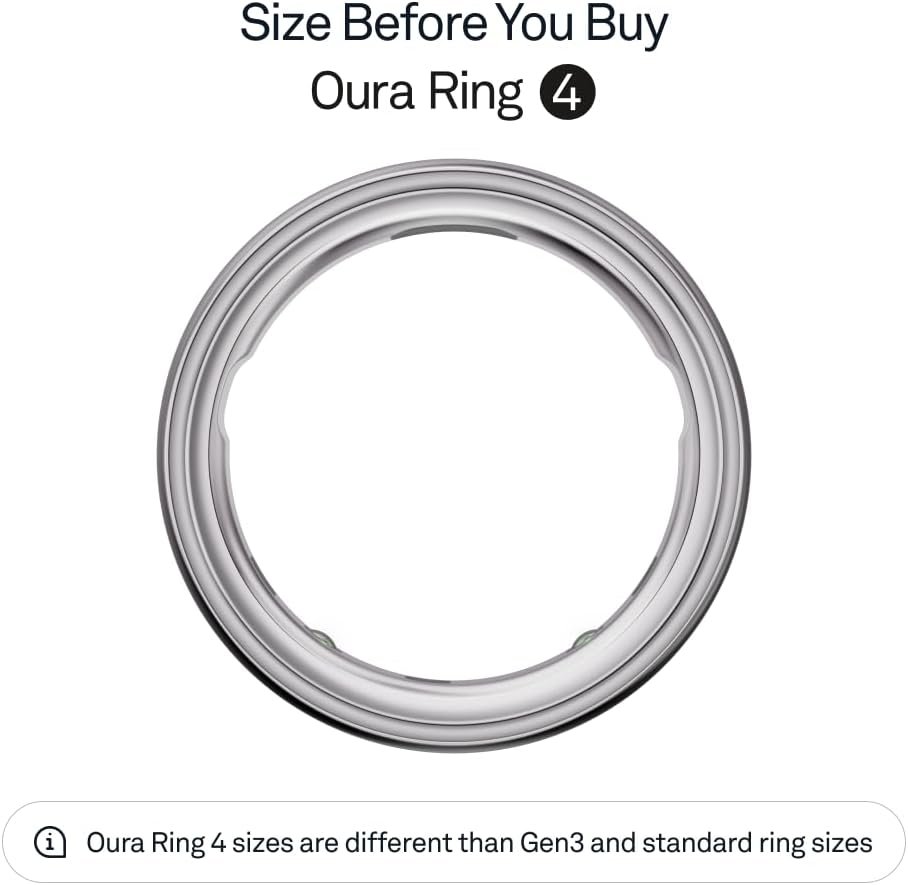
Oura’s advantage is experience.
The company has spent years refining the way ring data is converted into Sleep, Activity and Readiness information.
That software layer matters because raw heart-rate and temperature graphs are not especially useful to most people.
Oura tries to answer practical questions such as whether your recovery is improving, whether your sleep timing is consistent and whether your recent activity load may be affecting readiness.
The downside is the membership.
In the UK, Oura lists membership at £5.99 per month or £69.99 annually, while pricing varies in other regions.
That makes long-term ownership more expensive than the hardware price suggests.
Battery Life Is Close
Samsung rates the Galaxy Ring for up to around seven days, with endurance varying by ring size.
Oura describes Ring 4 battery life as typically around five to eight days depending on size, settings, features and usage.
In practice, both are designed around several days of continuous wear rather than nightly charging.
That is important for sleep tracking.
A wearable cannot analyse sleep if it spends every night on a charger.
Comfort Matters More Than People Expect
Smart rings are tiny compared with watches, but fit is even more important.
A ring that rotates constantly, pinches during exercise or feels awkward when your fingers swell will quickly become annoying.
Use the manufacturer’s sizing kit.
Do not assume your normal jewellery size will translate perfectly.
Wear the sample ring through normal daily activities and sleep before placing the final order.
That one step can prevent an expensive mistake.
Sleep Tracking
Both products are strongest when worn consistently overnight.
They can monitor patterns involving heart rate, movement, temperature and sleep timing.
Oura’s software remains particularly focused on recovery and sleep interpretation.
Samsung’s advantage is how naturally the information joins the wider Samsung Health ecosystem.
The better choice depends less on which ring can detect a pulse and more on which app you are willing to use every day.
Fitness Tracking Has Limits
A ring is discreet and comfortable, but it is not automatically the best device for every workout.
Strength training can be awkward because gripping a barbell or dumbbell with a metal ring on your finger is uncomfortable and may damage the ring.
For live pace, GPS, cycling metrics or detailed workout screens, a sports watch remains more practical.
Smart rings are better thought of as passive health and recovery trackers than replacements for every fitness device.
Android vs iPhone Is the Biggest Compatibility Difference
Galaxy Ring is aimed at Android users and is most attractive inside Samsung’s ecosystem.
Oura Ring 4 supports both Android and iPhone.
That makes Oura safer for somebody who may change phone brands later.
If you use an iPhone today, the decision is straightforward: Galaxy Ring is not the natural fit.
Which One Is Better Without a Subscription?
Galaxy Ring wins this comparison.
Samsung’s no-subscription approach makes the long-term cost easier to understand.
Oura provides more mature interpretation in several areas, but you need to include membership fees when comparing value over two or three years.
Which One Is Better for Data and Insights?
Oura remains the stronger choice for somebody who wants a mature ring-first health platform and is comfortable paying for it.
Its value is less about one headline sensor and more about the quality of the trends and interpretation surrounding the data.
Samsung continues to improve quickly, particularly because Galaxy Ring forms part of a much larger health ecosystem.
Final Verdict
Choose Galaxy Ring if you use Android, especially Samsung Galaxy devices, and want a capable smart ring without a recurring membership.
Choose Oura Ring 4 if you want iPhone compatibility, a mature ring-focused app and deeper recovery and sleep interpretation, and you accept the ongoing subscription cost.
The hardware differences matter.
The ecosystem difference matters more.