
This post may contain affiliate links. If you buy something through one of these links, Tech Info Central may earn a small commission at no extra cost to you.
Best drones for videography 2026 range from tiny travel aircraft to professional systems with large sensors and multiple focal lengths.
The most expensive drone is not automatically the best choice.
A compact drone you can legally and comfortably carry may capture far more useful footage than a premium machine left at home.
Camera quality, wind resistance, obstacle sensing, flight time and local regulations all matter.
Quick Recommendations
| Type of Filming | Drone to Consider |
|---|---|
| Compact travel and creators | DJI Mini 5 Pro |
| Best all-round enthusiast | DJI Air 3S |
| Premium aerial filmmaking | DJI Mavic 4 Pro |
| FPV-style cinematic movement | DJI Avata 2 |
| Lower-cost alternative | Potensic Atom 3 |
DJI Mini 5 Pro: Travel-Friendly Choice
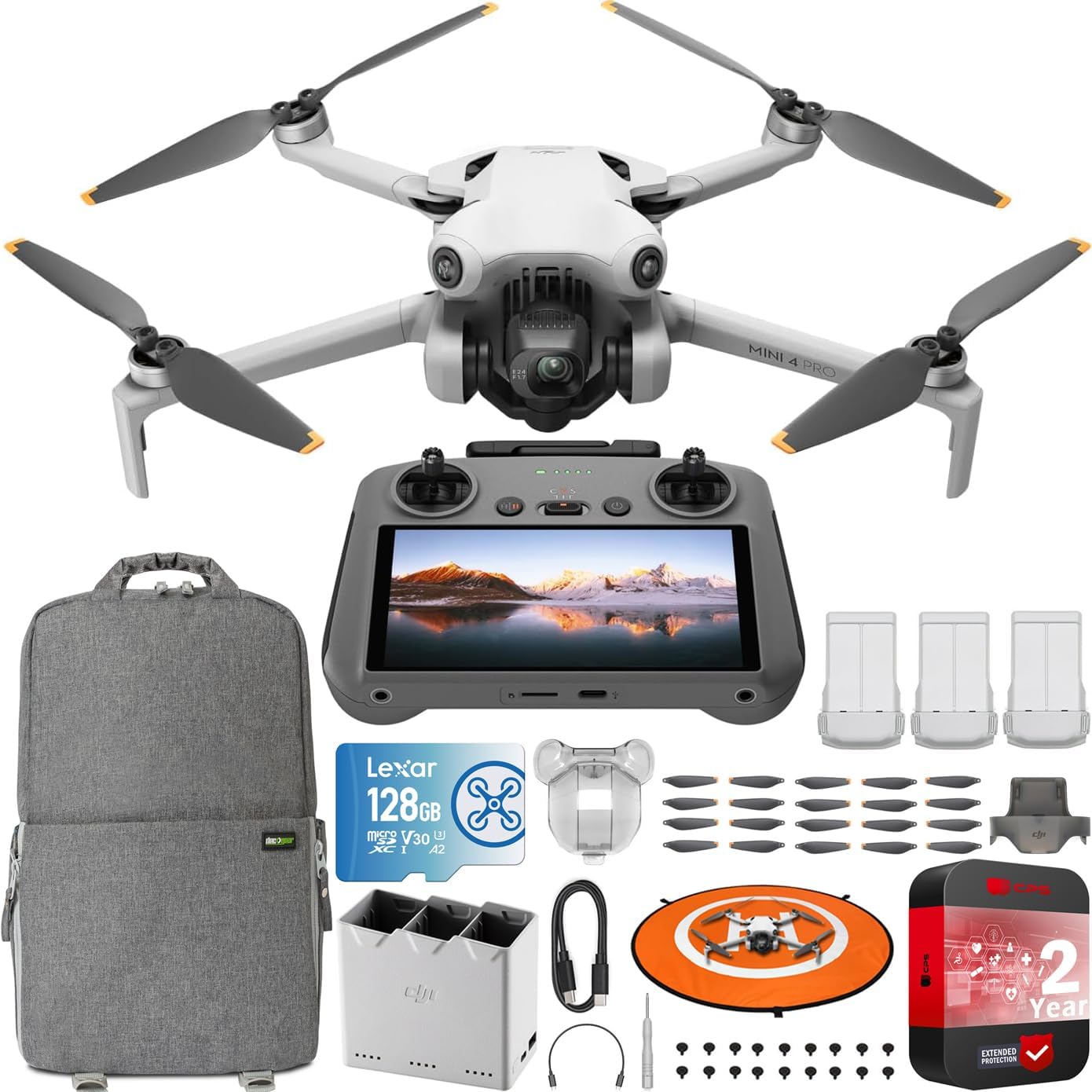
DJI’s Mini series is popular because it tries to combine serious camera features with a small airframe.
The Mini 5 Pro is aimed at travellers, creators and people who want something easier to pack than an Air or Mavic-class drone.
A compact aircraft also reduces the psychological barrier to taking the drone on a normal day out.
The exact regulatory advantages of a lightweight drone depend on country and final take-off weight, so never assume the word “Mini” automatically exempts you from local rules.
Check the aircraft’s actual classification where you fly.
DJI Air 3S: The Sweet Spot

Air 3S remains one of the strongest all-round videography options.
Its main camera uses a 50MP 1-inch sensor with support for 4K video, including high-frame-rate recording.
A second 70mm-equivalent tele camera provides a completely different perspective.
That dual-camera setup is valuable for filmmakers.
Wide aerial shots establish a location.
The tele camera compresses distance and can make landscapes, buildings and vehicles appear more cinematic.
It is the kind of versatility that can matter more than chasing the largest possible sensor.
Mavic 4 Pro: Premium Choice

DJI’s Mavic 4 Pro sits in a higher class.
It is aimed at photographers and filmmakers who want stronger imaging hardware, more creative focal lengths and fewer compromises.
The price, size and regulatory burden are correspondingly higher.
A Mavic-class drone makes sense for commercial creators who will use the extra capability.
For holiday footage and occasional YouTube work, the Air or Mini ranges are easier to justify.
DJI Avata 2: For Movement Rather Than Traditional Aerial Shots
Avata 2 is different from an ordinary camera drone.
Its FPV-style flying produces dynamic movement through and around environments rather than the slow floating shots associated with traditional aerial cinematography.
That can create incredible footage.
It also requires more skill and a stronger understanding of where FPV flying is appropriate and legal.
Use the right aircraft for the shot.
Trying to make one drone perform every cinematic role usually creates compromises.
Potensic Atom 3: Lower-Cost Alternative

Potensic continues to improve its compact drone range.
The Atom 3 is worth considering for buyers who want modern video features without paying DJI pricing.
Its current specification includes 4K recording at high frame rates and a claimed flight time approaching 40 minutes under ideal conditions.
The compromise is obstacle avoidance.
A drone without comprehensive sensing demands more care around trees, buildings and complex environments.
For a careful beginner flying in open spaces, that may be acceptable.
For automated tracking around obstacles, it matters greatly.
Sensor Size Matters, but So Does the Lens
A larger camera sensor generally improves dynamic range and low-light performance.
It is only part of the image.
Lens quality, colour profiles, bitrate, stabilisation and processing also influence the final footage.
For serious editing, look for 10-bit recording and a flat or log-style colour profile.
That gives more room for colour grading than heavily processed standard footage.
Flight Time Is Always Shorter in Real Life
Manufacturers measure maximum flight time under controlled conditions.
Wind, temperature, manoeuvring and returning with a safe battery reserve reduce usable filming time.
One battery is rarely enough for a serious shoot.
A three-battery kit changes the experience dramatically because you can plan several takes rather than rushing every shot.
Obstacle Sensing Is Worth Paying For
Obstacle sensing cannot make a drone crash-proof.
Small branches, wires, reflective surfaces and poor light can still cause problems.
Good omnidirectional sensing does provide an important safety layer, especially when using automated flight modes.
For beginners, it is one of the features worth prioritising over maximum top speed.
Regulations Come Before the Shot
Drone laws differ by country and can change.
Rules may cover:
- aircraft weight
- registration
- pilot competency
- maximum altitude
- airports
- crowds
- protected locations
- visual line of sight
- commercial use
- privacy
Check the aviation authority where you actually plan to fly.
A beautiful location on Instagram may be inside restricted airspace.
What Filmmakers Should Buy
Choose a Mini-class drone for portability.
Choose Air 3S when you want a strong balance of camera quality, dual focal lengths and manageable size.
Choose Mavic 4 Pro when aerial imaging is part of paid or serious creative work.
Choose Avata 2 for immersive FPV movement.
Consider Potensic Atom 3 when budget matters more than having the most complete obstacle-sensing system.
Final Verdict
The best videography drone is the aircraft you can fly safely, legally and often.
DJI Air 3S remains particularly compelling because its 1-inch main camera and telephoto option cover a wide range of cinematic shots without moving into the size and price of a flagship Mavic.
Smaller drones are easier to travel with.
Premium drones offer greater imaging flexibility.
Before paying for the most expensive camera in the sky, make sure the drone’s weight, regulations and workflow actually fit the kind of filming you do.