
This post may contain affiliate links. If you buy something through one of these links, Tech Info Central may earn a small commission at no extra cost to you.
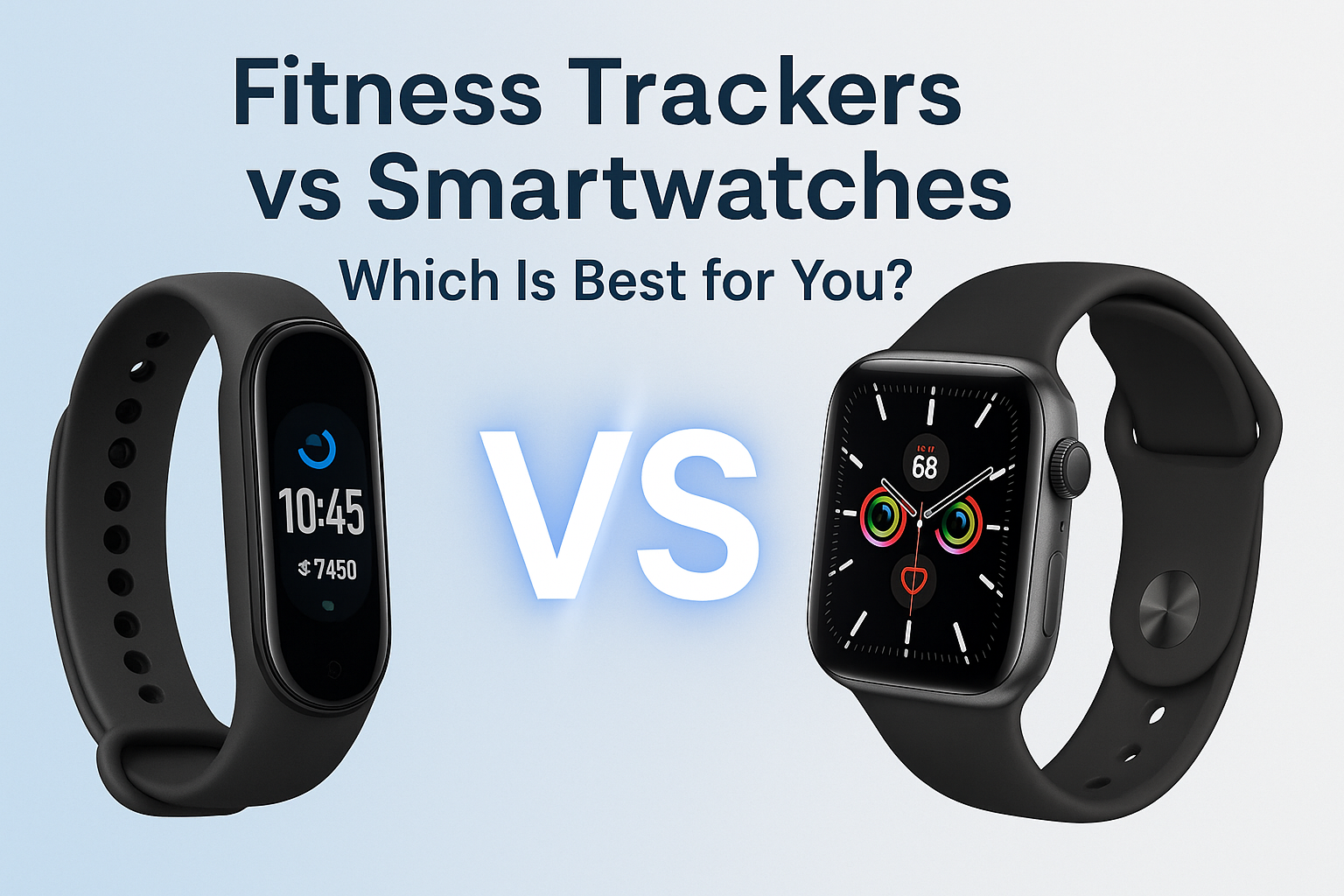
Fitness tracker vs smartwatch sounds like a simple comparison until you look at how much the two categories now overlap.
Modern fitness bands can show notifications, measure blood oxygen, track sleep and record workouts.
Smartwatches can last several days, provide detailed recovery information and behave like serious sports watches.
The useful distinction is no longer whether one tracks fitness and the other tells the time.
It is how much screen, software and interaction you want on your wrist.
Quick Comparison
| Feature | Fitness Tracker | Smartwatch |
|---|---|---|
| Battery life | Usually longer | Usually shorter |
| Screen | Smaller | Larger |
| Notifications | Basic to moderate | Richer |
| Apps | Limited | Much broader |
| Fitness tracking | Strong | Strong to advanced |
| GPS | Model dependent | Common |
| Calls/messages | Limited | Common on many models |
| Price | Usually lower | Usually higher |
| Comfort for sleep | Often excellent | Depends on size |
Why Buy a Fitness Tracker?
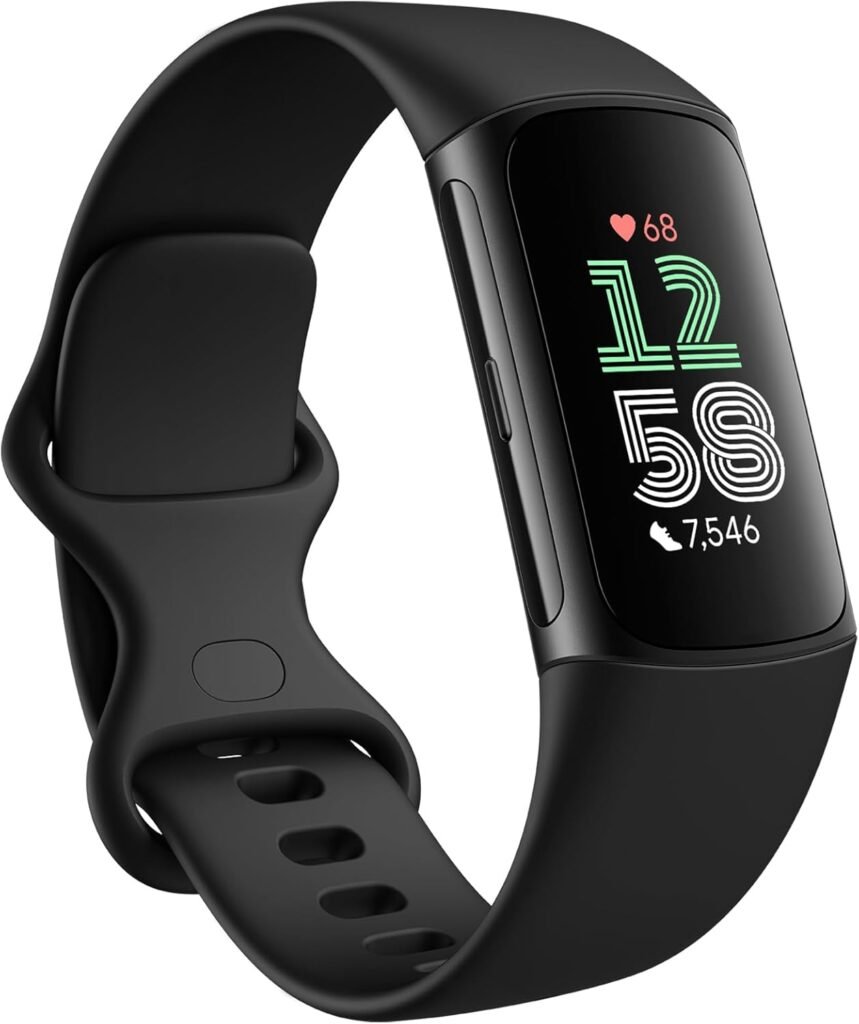
A fitness tracker makes sense when you want health data without turning your wrist into another phone screen.
The smaller body is easier to sleep in.
Battery life is often measured in days or even more than a week, depending on the model and features enabled.
That means less time thinking about charging and more continuous data.
For step counting, heart rate, sleep, basic workout recording and general activity goals, a good tracker can provide everything most people need.
Why Buy a Smartwatch?
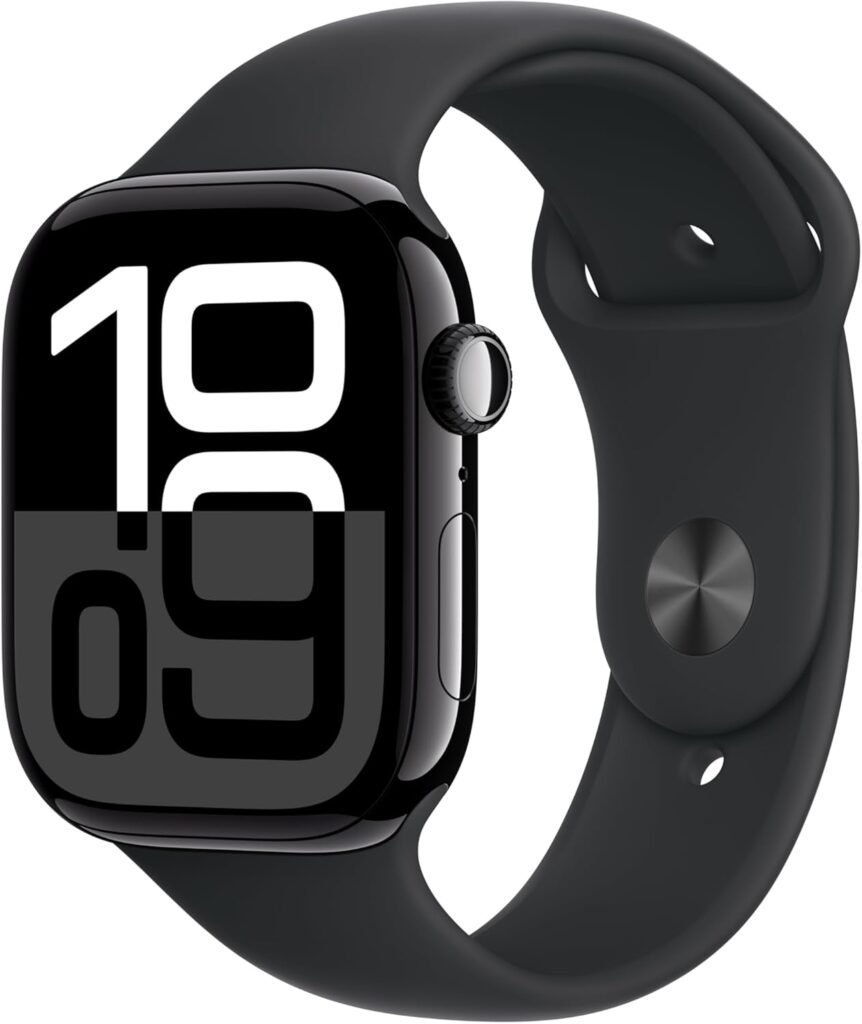
A smartwatch becomes more useful when interaction matters.
A larger screen can display maps, messages, calls, music controls, timers and applications in a way that a narrow fitness band cannot.
Apple Watch, Galaxy Watch, Pixel Watch and many Garmin models also provide more advanced sensors and workout tools depending on the device.
LTE versions can stay connected even when the phone is left behind.
That flexibility comes with a cost in battery life and price.
Health Sensors Are No Longer the Main Difference
Heart-rate sensors, sleep tracking and blood-oxygen measurements are common across both categories.
Some smartwatches add ECG, skin-temperature sensing or other advanced health features.
Availability can depend on country, age and regulatory approval.
Do not buy a wearable because of one medical-sounding feature without checking exactly what it is approved to do.
Consumer wearables can identify trends and encourage healthier behaviour.
They are not replacements for professional diagnosis.
Battery Life Changes the Experience
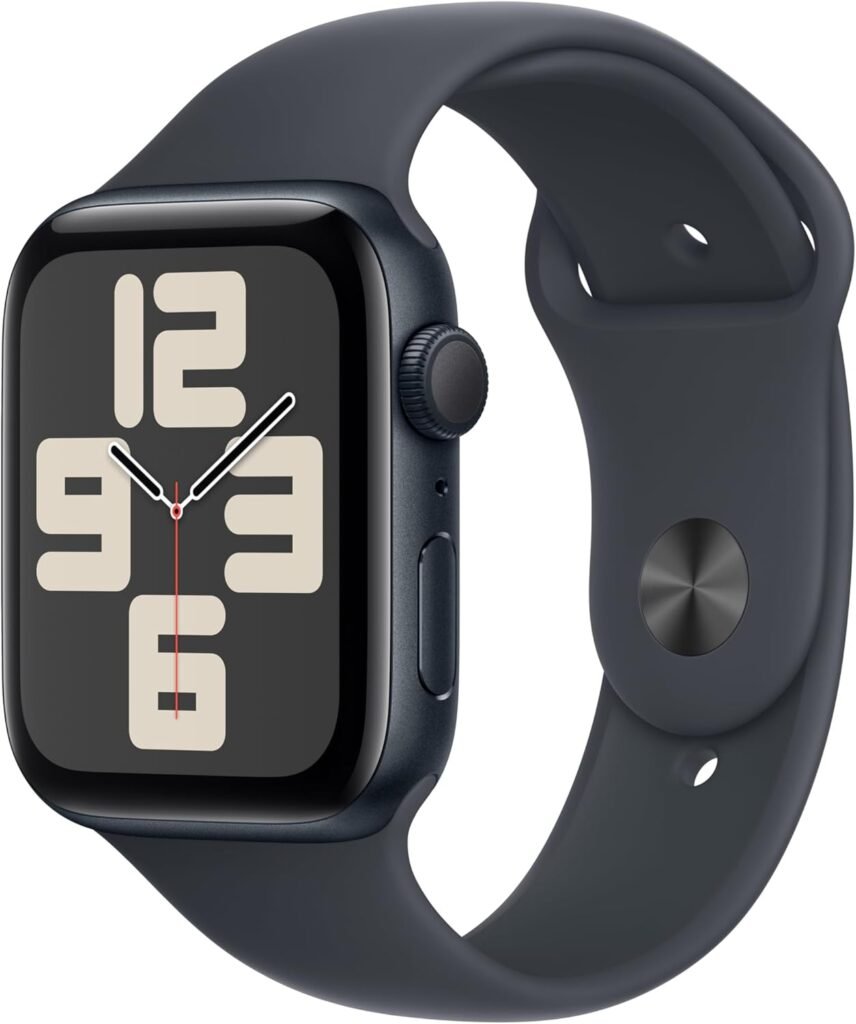
Battery life sounds boring until you live with the device.
A watch that needs charging every day or two requires a routine.
A fitness band that lasts a week can be forgotten about for much longer.
Long battery life is particularly valuable for sleep tracking because charging at night creates gaps in the data.
If you dislike managing another charger, a fitness tracker or long-life sports watch may suit you better.
GPS
Built-in GPS lets a wearable record runs, walks and cycling routes without relying on a phone.
It is common on smartwatches and increasingly available on fitness trackers.
Connected GPS uses the phone’s location instead.
That can save money and battery, but it means the phone needs to come with you.
Runners should check this specification carefully.
Notifications Can Become a Distraction
One of the best smartwatch features can also be one of the worst.
Having messages, calls, social notifications and application alerts appear on your wrist can reduce the number of times you reach for a phone.
It can also create another source of interruption.
If your main goal is health and exercise, a simpler tracker may actually create a better experience.
Technology is useful when it helps you focus, not when it creates another screen demanding attention.
Fitness Tracker Is Better For
Choose a fitness tracker when you value:
- long battery life
- lower price
- a lightweight design
- sleep comfort
- basic health trends
- straightforward workout tracking
- fewer distractions
Smartwatch Is Better For
Choose a smartwatch when you want:
- richer notifications
- phone calls from the wrist
- apps
- maps
- music control or offline music
- contactless payments
- LTE on supported models
- more detailed sports functions
- a larger display
What About Garmin and Other Sports Watches?
Dedicated sports watches blur the comparison.
Many Garmin, COROS, Polar and Suunto devices combine smartwatch functions with battery life closer to a fitness tracker.
They make particular sense for running, cycling, hiking and structured training.
The compromise is that general-purpose app ecosystems can be smaller than Apple or Google’s.
For serious athletes, that may be completely irrelevant.
Final Verdict
A fitness tracker is the better choice for people who want health and activity information with minimal maintenance.
A smartwatch is better when you want the wrist device to become an extension of your phone.
Do not pay for a bigger screen, LTE or a huge application ecosystem if you only want steps and sleep.
Equally, do not buy a tiny fitness band and then become frustrated that replying to messages feels awkward.
Choose according to what you want to do on your wrist, not according to which category sounds more advanced.